October 22, 2026
Healthy gums play an important role in keeping teeth stable and supporting overall oral health. When gum tissue becomes inflamed or infected, it can lead to discomfort, bleeding, and damage to the structures that support the teeth. Laser gum therapy is one approach dental professionals may use to address certain gum problems. Understanding how this treatment works, its potential benefits, and what to expect can help patients make informed decisions about their dental care. This article explains the basics of laser gum therapy, including how it works, when it may be recommended, and how it fits into ongoing gum health care.
Understanding Gum Problems
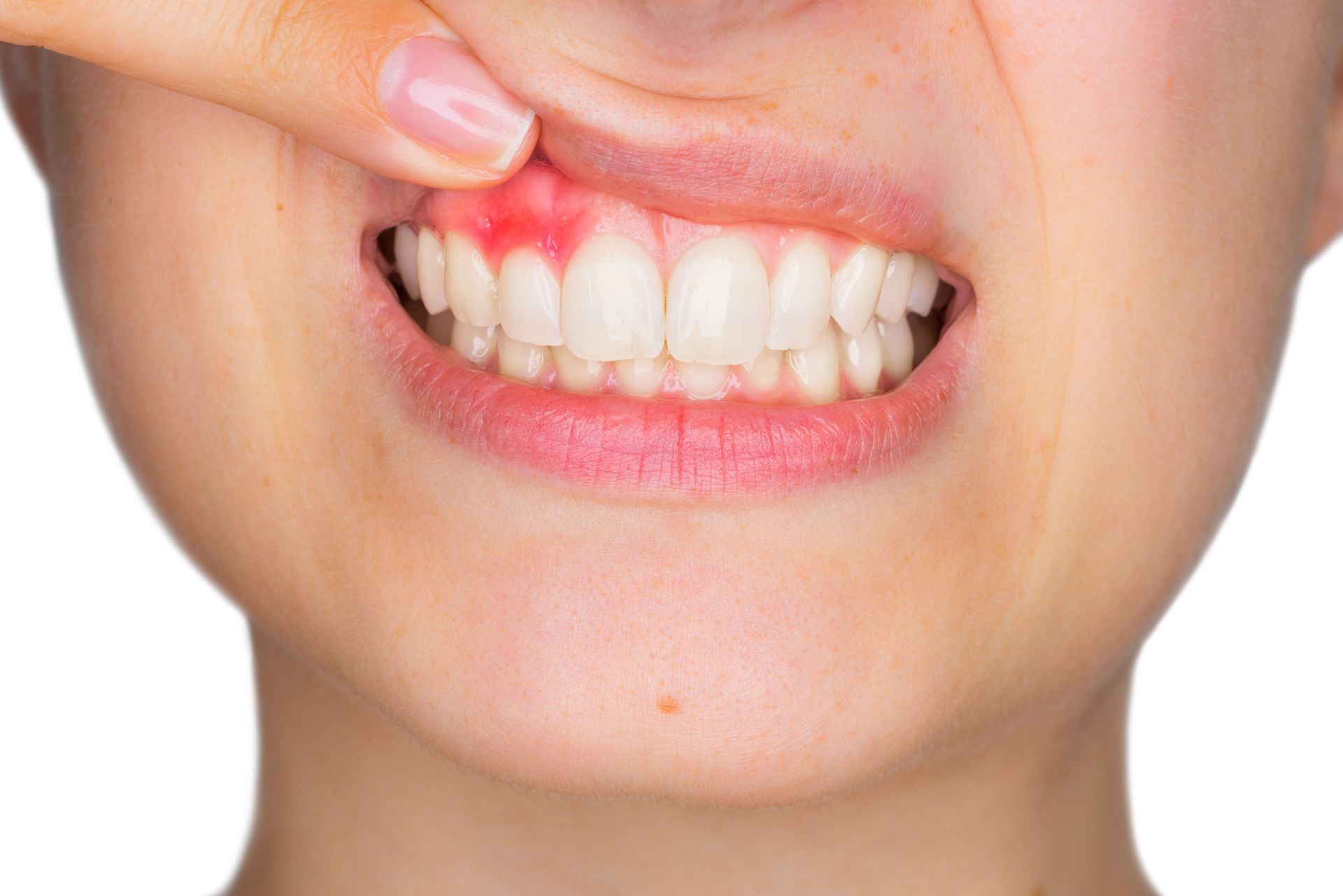
Gum disease develops when bacteria collect along the gumline and form plaque. If not removed, plaque can harden into tartar and irritate the gums. Early gum disease, called gingivitis, may cause redness, swelling, and bleeding during brushing or flossing. Professional care and consistent oral hygiene can help improve this stage. As gum disease progresses, it can damage the tissues and bone supporting the teeth. This advanced stage, called periodontitis, may cause gums to pull away from the teeth, creating pockets where bacteria collect. Over time, this can lead to teeth that are loose or loss of teeth. Since early gum disease may cause few symptoms, regular dental examinations are important. Treatment depends on the severity of the condition and the patient's oral health. Dental professionals check for inflammation, tissue damage, and deep gum pockets before recommending care. Laser gum therapy may be an option for certain patients to help manage gum disease and support healthier gums.
Exploring Laser Technology
Dental lasers use focused light energy to interact with tissue. Depending on the type of laser and how it is used, the energy can help remove or reshape targeted tissue and may assist with reducing bacteria in certain treatment areas. Dental professionals select the appropriate equipment and settings based on the procedure and the patient's needs. According to WebMD, lasers have been used in dentistry since 1994 to treat many dental problems. Over time, this technology has become an option for several types of dental procedures, including certain treatments involving the gums. Different lasers are designed for different purposes, so not every laser treatment works the same way.
In gum care, laser technology may be used to target inflamed tissue or assist with cleaning areas affected by periodontal disease. The goal is to address the affected areas while limiting unnecessary impact on nearby healthy tissue. The exact approach depends on the patient's condition, the equipment being used, and the dental professional's treatment plan. Laser technology does not replace the need for a proper diagnosis. Gum disease can vary significantly from one person to another, and some cases may require traditional periodontal treatment or a combination of approaches. A dental evaluation helps determine whether laser treatment is appropriate and what results may reasonably be expected.
Learning How Treatment Works
The process begins with an examination of the gums and supporting structures. A dental professional checks for bleeding, swelling, gum recession, periodontal pockets, and other signs of disease. The depth of the pockets and the amount of damage help determine how advanced the condition may be. X-rays may also be used when needed to assess changes in the bone around the teeth. If laser treatment is appropriate, the dental professional explains the procedure and prepares the affected area. Depending on the type of treatment, a laser may be used to remove diseased or inflamed gum tissue, target bacteria, or assist with cleaning the areas around the teeth. Some procedures also involve removing plaque and tartar from below the gumline. The exact steps depend on the treatment method and the patient's oral health.
Laser gum therapy may be performed with local anesthesia when needed to help manage discomfort. The length of the appointment varies according to the number of areas being treated and the extent of the gum disease. Patients should ask about the expected process, possible side effects, and recovery instructions before treatment begins. After the procedure, the dental team may provide guidance on eating, cleaning the teeth, and monitoring the gums during recovery. Follow-up appointments help assess healing and determine whether further care is needed. Ongoing maintenance remains important because laser treatment alone does not prevent plaque from building up again.
Identifying Potential Benefits
One reason laser treatment may be considered is its ability to target specific areas of tissue. When used appropriately, this approach may help limit damage to surrounding areas. Some procedures may also involve less bleeding or swelling than certain traditional surgical methods, although outcomes vary based on the procedure and the patient's condition. Another potential benefit is that some laser procedures may involve a relatively comfortable recovery. However, the amount of discomfort and the length of healing depend on the type of treatment, the severity of gum disease, and individual healing factors. Patients should not assume that every laser procedure is painless or that recovery will be the same for everyone.
Laser gum therapy may also be used as part of a broader treatment plan that focuses on reducing inflammation and managing periodontal disease. Addressing the affected areas can help support gum health when combined with appropriate cleaning, follow-up visits, and daily oral care. It is important to understand that laser treatment is not the right choice for every patient. Its effectiveness depends on the condition being treated, the technique used, and the dental professional's assessment. Discussing the potential benefits and limitations can help patients decide whether this approach fits their needs.
Comparing Treatment Options
Laser treatment is one of several approaches used to manage gum disease. Traditional nonsurgical treatment often involves scaling and root planing, which removes plaque and tartar from below the gumline and smooths the tooth roots to help the gums heal. This approach can be effective for many patients, particularly when the disease is identified before extensive damage occurs. In some cases, more advanced periodontal disease may require surgical treatment to access deeper areas or address damaged supporting tissues. The recommended approach depends on the depth of periodontal pockets, the amount of bone loss, the condition of the gums, and the patient's response to previous care.
Laser treatment may be used on its own for certain procedures or alongside other methods. It should not automatically be considered better than traditional treatment, since the most appropriate option depends on individual circumstances. A dental professional can explain how the available approaches differ and which options may be suitable. Patients should ask about the expected benefits, risks, cost, recovery period, and need for follow-up care. Understanding these factors can help them compare treatment options and choose an approach based on their oral health needs rather than the technology alone.
Understanding laser gum therapy can help patients feel more prepared when discussing treatment for gum disease. The procedure uses focused light energy to address selected areas of gum tissue, but its suitability depends on the patient's condition and treatment goals. A dental evaluation can clarify the available options, expected recovery, and ongoing care requirements. If you have concerns about your gums or want to learn whether laser gum therapy may be appropriate for you, contact Smiles By Payet Dentistry to discuss your oral health and available treatment options.