October 27, 2026
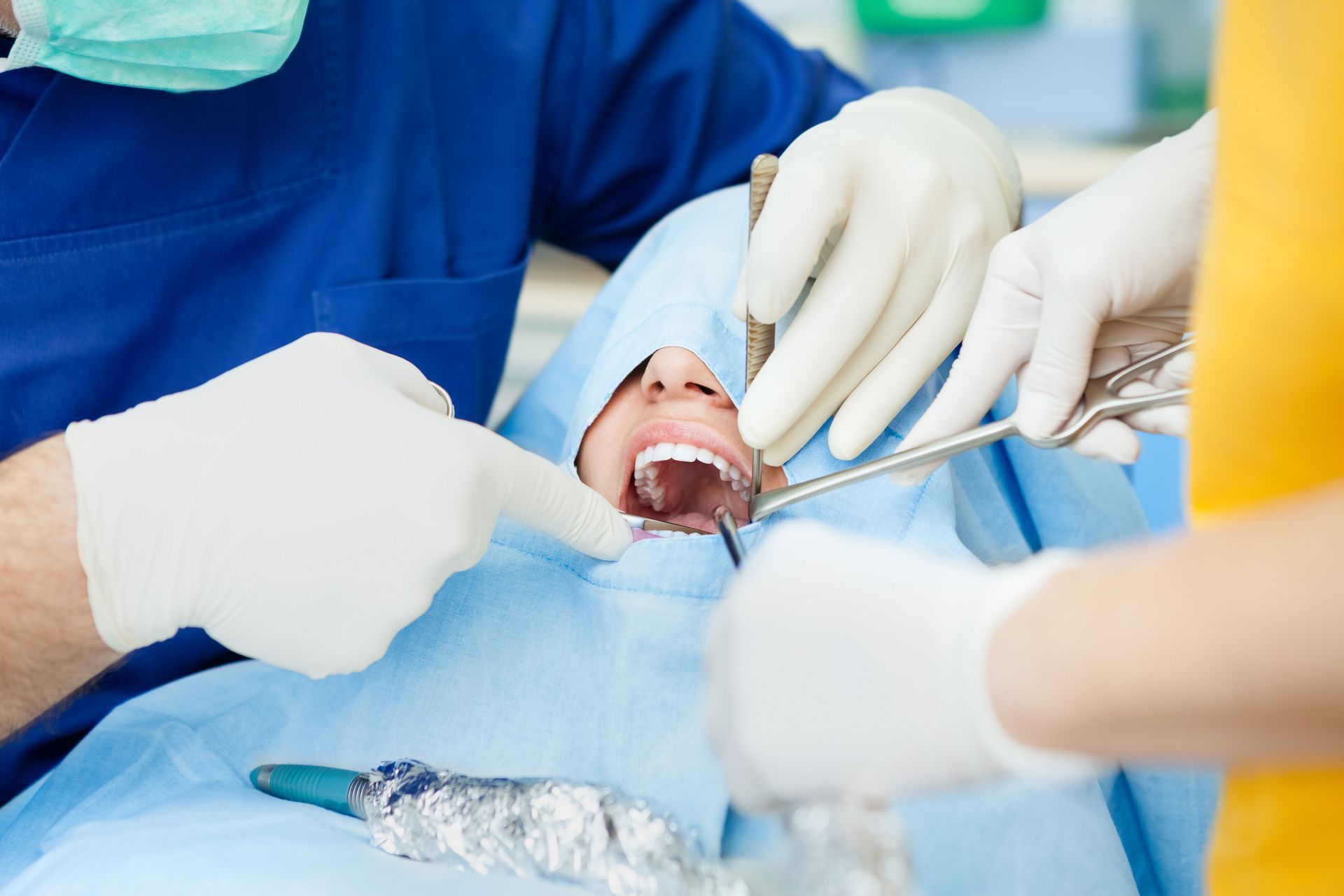
Oral surgery can address a variety of dental concerns, from removing impacted teeth to treating damaged teeth and preparing the mouth for restorative procedures. Although these treatments can improve oral health and comfort, preparing properly can make the experience less stressful. Understanding what to expect before, during, and after a procedure allows patients to approach treatment with greater confidence. Following professional instructions also helps reduce the risk of complications and supports the healing process. Patients should discuss their medical history, medications, and concerns with their dental care provider before scheduling surgery. Experienced dentists can explain the procedure, outline necessary precautions, and recommend ways to manage discomfort afterward. Preparation also includes arranging transportation when sedation is involved and creating a comfortable recovery space at home. With the right information and a clear plan, patients can take practical steps toward a smoother oral surgery experience.
Understanding the Oral Surgery Procedure
Knowing what an oral surgery procedure involves is an important first step in preparing for treatment. Different procedures require different approaches, depending on the patient's condition, the complexity of the treatment, and their overall oral health. Some patients may need a tooth extraction, while others may require treatment for impacted wisdom teeth or preparation for dental implants. Dentists explain the purpose of the procedure and help patients understand what will happen during their appointment. Asking questions about anesthesia, expected discomfort, and recovery requirements can make the process less intimidating. Patients should also discuss any previous experiences with dental procedures that caused anxiety or complications. Knowing the expected timeline helps individuals arrange work responsibilities, family commitments, and transportation in advance. Being informed allows patients to make confident decisions and prepare for each stage of treatment.
Following Preoperative Instructions Carefully
Before oral surgery, patients may receive specific instructions designed to promote safety and reduce the likelihood of complications. These directions can include guidelines about eating, drinking, taking medications, and maintaining oral hygiene before the appointment. Following the instructions provided by dentists is particularly important when sedation or general anesthesia is planned. Patients should never assume that standard fasting recommendations apply to every procedure, because requirements can vary according to the anesthesia method and individual circumstances. It is also important to disclose prescription medications, over-the-counter drugs, vitamins, and supplements. Some medications may need special consideration, but patients should never stop or change prescribed treatment without guidance from the appropriate healthcare professional. If instructions are unclear, contacting the dental office before the appointment can prevent avoidable problems. Careful preparation helps the surgical team provide treatment under appropriate conditions.
Preparing Your Health and Medical History
A complete medical history helps the dental team identify factors that may affect surgery or recovery. Patients should disclose chronic conditions, medication allergies, previous anesthesia reactions, and any history of excessive bleeding or healing difficulties. Individuals taking blood thinners or medications that influence immune function may need additional planning before certain procedures. Dentists use this information to assess potential risks and determine whether precautions or coordination with another healthcare provider are necessary. Patients should also mention recent illnesses, fever, or changes in their health before surgery. Smoking and nicotine use are important to discuss because they can interfere with healing and increase the risk of complications. Honest communication allows the care team to provide recommendations that reflect the patient's individual needs. Preparing this information ahead of time can make the consultation more productive and help ensure that important details are not overlooked.
Arranging Transportation and Home Support
Planning transportation is essential when oral surgery involves sedation that can affect alertness, coordination, or judgment. Patients receiving certain types of sedation or general anesthesia will generally need a responsible adult to take them home and may require supervision afterward. Even when a procedure appears straightforward, it is wise to confirm transportation requirements with the dental office beforehand. Patients should avoid driving themselves if their care team advises against it. Arranging help with childcare, household responsibilities, or work commitments can also make the first day of recovery less demanding. Before the appointment, consider preparing a quiet place to rest with comfortable pillows, tissues, water, and any recommended recovery supplies. Keeping important phone numbers readily available can provide reassurance if questions arise after the procedure. With these arrangements in place, patients can focus on resting rather than managing unexpected responsibilities.
Choosing Appropriate Foods Before Surgery
Food preparation is another practical way to make the recovery period more comfortable. Depending on the planned procedure and anesthesia method, patients may need to avoid food and beverages for a specified period before surgery. The dental team's instructions should always take priority over general dietary advice. For procedures that allow normal eating beforehand, choosing a balanced meal may help patients feel prepared for their appointment. After surgery, softer foods are often easier to tolerate because the surgical area may be tender. Options can include yogurt, applesauce, mashed potatoes, scrambled eggs, and lukewarm soups, depending on the provider's recommendations. Patients should avoid foods that are extremely hot, crunchy, hard, or likely to become trapped around the surgical site when those restrictions apply. Preparing suitable meals in advance can reduce the temptation to choose foods that interfere with healing.
Managing Discomfort During Early Recovery
Some swelling, tenderness, and mild bleeding may occur after oral surgery, although the expected symptoms depend on the procedure. According to the Cleveland Clinic, recovery times vary after oral surgery, but many people begin to feel closer to normal within two to three days. Patients should remember that this is a general timeframe rather than a guarantee, because more complex procedures may require a longer recovery period. Following the care team's instructions is essential for managing discomfort safely. Recommended pain relief may include prescribed medication or appropriate over-the-counter options, depending on the patient's health and the procedure performed. Applying a cold pack externally when advised can help reduce swelling during the early recovery period. Patients should rest and avoid strenuous activity for as long as their provider recommends. If pain becomes severe, swelling worsens unexpectedly, or bleeding does not respond to the instructions provided, they should contact their dental office promptly.
Protecting the Surgical Site While Healing
Protecting the surgical area helps support the body's natural healing process. Patients should follow the specific cleaning instructions provided for their procedure rather than applying the same routine to every type of oral surgery. Brushing and flossing may need to be modified temporarily around the affected area to prevent irritation. After certain tooth extractions, vigorous rinsing, forceful spitting, and using straws can disturb the blood clot that forms in the socket. This clot is important for healing, and losing it can contribute to a painful condition known as dry socket. Patients should also avoid smoking or using nicotine products because these can interfere with recovery. Gentle rinsing with salt water may be recommended after an appropriate interval, but patients should confirm when and how to begin. Consistent attention to aftercare helps protect healing tissues and reduces the risk of preventable complications.
Recognizing Warning Signs After Surgery
Although many patients recover without significant problems, knowing which symptoms require attention is an important part of preparation. Mild discomfort and swelling may be expected, but symptoms should generally follow the recovery pattern described by the dental team. Dentists should be contacted if pain becomes increasingly severe, swelling continues to worsen, or bleeding remains uncontrolled despite following the provided instructions. Fever, pus, or other signs of possible infection also warrant prompt professional assessment. Difficulty swallowing or breathing requires emergency medical attention rather than waiting for a routine dental appointment. Patients should not rely exclusively on online information to determine whether an unusual symptom is harmless. When uncertain, contacting the treating dental office can help clarify the appropriate next step. Recognizing warning signs early allows patients to obtain care when it is needed.
For guidance before oral surgery or help understanding your treatment options, contact Smiles By Payet Dentistry. Our team can discuss your dental needs, explain how to prepare for your procedure, and provide personalized aftercare recommendations to help you work toward a comfortable recovery.