August 6, 2026
Preventive dental care plays an important role in maintaining oral health, comfort, and confidence throughout every stage of life. Instead of waiting for pain, swelling, or visible damage to appear, more patients are choosing routine appointments that help identify concerns early and reduce the likelihood of complicated treatment later. Regular care also gives patients opportunities to ask questions, improve daily habits, and understand how oral health may change over time.
A dentist can provide guidance that is tailored to a patient’s age, medical history, lifestyle, and current oral health needs. This ongoing relationship helps create consistency, making it easier to monitor changes and respond before small issues become more serious. By combining preventive services, professional evaluations, and personalized recommendations, dental care can support both immediate needs and long-term wellness.
Preventing Problems Through Routine Visits
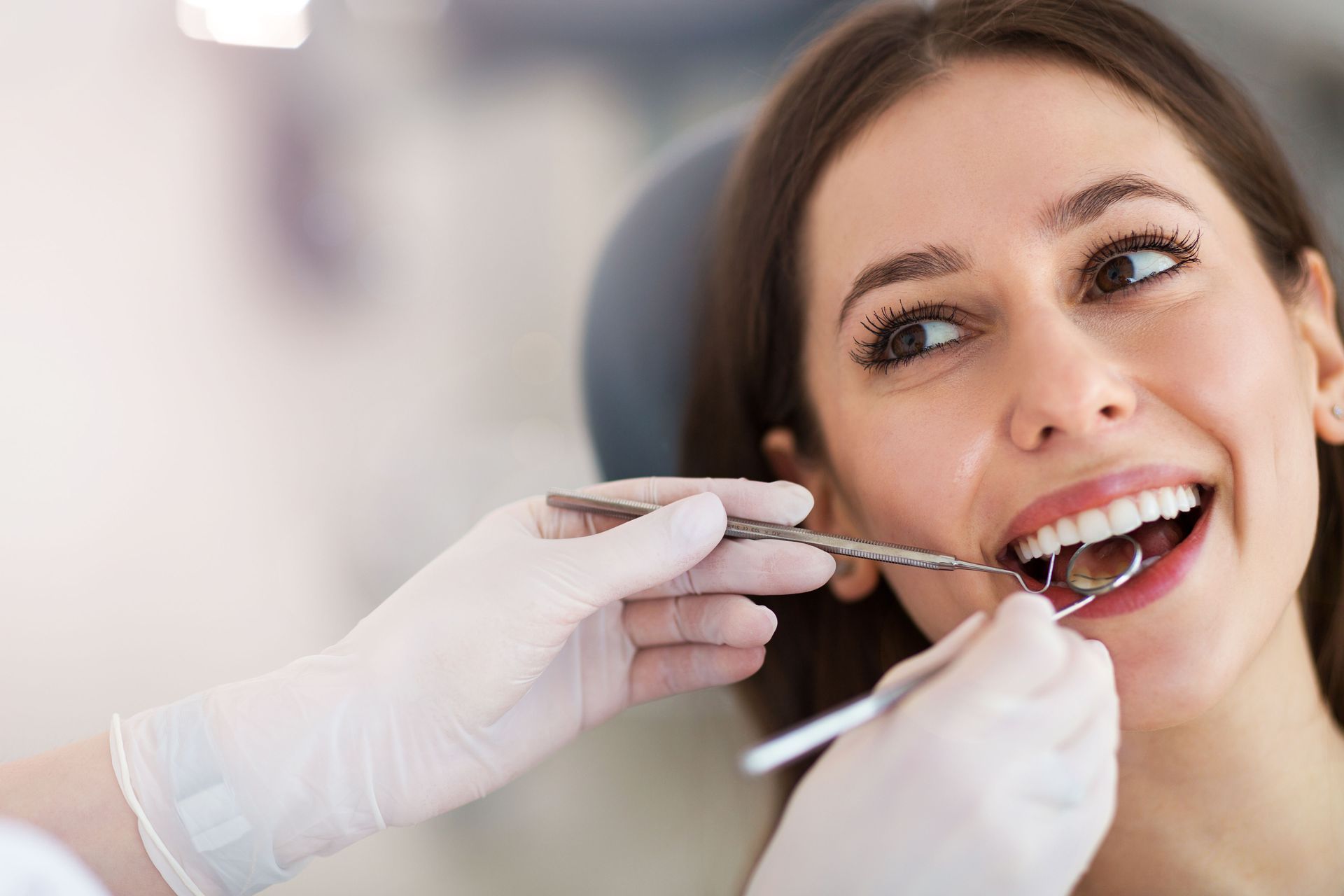
Routine dental appointments are designed to identify issues that may not yet cause noticeable symptoms. Cavities, gum inflammation, enamel wear, and early signs of infection can develop gradually, and patients may not realize that anything is wrong. A dentist uses professional tools, visual examinations, and diagnostic imaging when appropriate to look for concerns that may be difficult to detect at home.
Early detection can make treatment more manageable. A small cavity may require a relatively simple restoration, while untreated decay can eventually affect deeper areas of the tooth. Gum irritation may also be easier to address before it progresses into more advanced periodontal problems. Preventive appointments allow patients to take action sooner, which may help preserve natural teeth and reduce discomfort.
Routine visits also create a clear record of a patient’s oral health. Comparing current findings with previous examinations can reveal subtle changes in tooth position, gum condition, bite alignment, or existing dental work. This information helps the dental team make informed recommendations based on patterns rather than isolated symptoms.
Supporting Health Through Professional Cleanings
Brushing and flossing are essential, but home care may not remove every deposit from the teeth. Plaque can collect around the gumline, between teeth, and in areas that are difficult to reach. Over time, plaque may harden into tartar, which generally requires professional instruments to remove.
Professional cleanings help reduce buildup that can contribute to cavities, gum irritation, and persistent bad breath. During a cleaning, the dental team can also point out areas where plaque tends to accumulate. A dentist may recommend changes in brushing technique, flossing habits, or oral care products to help patients clean more effectively between visits.
These appointments can be especially valuable for people with braces, dental implants, crowns, bridges, limited dexterity, or medical conditions that affect oral health. Personalized cleaning schedules may be recommended based on individual risk factors. Rather than using the same approach for every patient, ongoing care can be adjusted as needs change.
Detecting Changes Through Ongoing Evaluation
Oral health is not static. Teeth, gums, restorations, and bite patterns can change due to age, habits, injury, medication use, pregnancy, illness, or daily wear. Ongoing evaluations make it easier to recognize these developments and determine whether treatment or monitoring is appropriate.
According to the American Dental Association, 77% of adults say they plan to visit the dentist within the next year. This level of interest reflects how many people recognize the value of regular dental care, even when they are not experiencing an emergency. Consistent appointments give patients a practical way to stay informed about their oral health and address concerns before they interfere with eating, speaking, sleeping, or daily activities.
A dentist may also examine the soft tissues of the mouth, including the tongue, cheeks, and gums. Changes in color, texture, or appearance may require further evaluation. Although many changes are harmless, routine examinations provide an opportunity to identify unusual findings and recommend appropriate next steps.
Managing Risks Through Personalized Guidance
Every patient has different oral health risks. Some people are more prone to cavities, while others may be concerned about gum disease, tooth sensitivity, enamel erosion, grinding, or dry mouth. Genetics, diet, smoking, stress, medications, and chronic health conditions can all influence dental needs.
A dentist can help patients understand which risk factors are most relevant to them. For example, someone who frequently consumes acidic drinks may need guidance on protecting enamel. A patient who grinds their teeth may benefit from monitoring for cracks, wear, or jaw discomfort. Someone with dry mouth may need strategies to support saliva production and reduce the risk of decay.
Personalized guidance can make home care more effective because recommendations are based on specific concerns. Instead of following general advice alone, patients can learn which tools, products, and routines may work best for their situation. This approach helps turn preventive care into a practical partnership between the patient and dental team.
Preserving Teeth Through Timely Treatment
Preventive care does not eliminate every dental problem, but it can help patients respond before damage becomes extensive. When a concern is found, timely treatment may protect more of the natural tooth structure and reduce the risk of complications. Restorative care can also help maintain proper chewing function, appearance, and alignment.
For example, repairing a damaged filling may prevent decay from spreading around the restoration. Treating a cracked tooth early may reduce the likelihood of further breakage. Addressing gum disease may help protect the tissues and bone that support the teeth. A dentist can explain the available options, expected outcomes, and importance of completing recommended care.
Ongoing appointments are also useful for checking previous dental work. Crowns, fillings, bridges, implants, and dentures may require adjustments, repairs, or replacement over time. Monitoring these restorations helps patients protect their investment and maintain comfortable function.
Building Confidence Through Consistent Care
Many patients feel more comfortable with dental care when they know what to expect. Seeing the same dental team over time can create familiarity and make it easier to discuss concerns, sensitivities, or anxiety. Consistent communication may also help patients feel more involved in decisions about their treatment.
A dentist who understands a patient’s history can provide context when new symptoms appear. The dental team may know which treatments have worked well, which areas require closer monitoring, and what concerns the patient has expressed in the past. This continuity can make appointments feel more organized and personal.
Promoting Wellness Through Long-Term Dental Care
Oral health is connected to everyday comfort and quality of life. Healthy teeth and gums support eating, speaking, smiling, and social interaction. When dental problems are ignored, they may lead to pain, infection, difficulty chewing, or changes in appearance. Preventive and ongoing care helps patients protect these essential functions.
Long-term dental care is most effective when patients combine professional services with consistent habits at home. Brushing twice daily, cleaning between teeth, limiting frequent sugar exposure, drinking water, and following individualized recommendations can all support better outcomes. A dentist can reinforce these habits and adjust advice as a patient’s needs evolve.
By maintaining an ongoing relationship with a dental team, patients can approach oral health with greater awareness and preparation. Early detection, professional cleanings, personalized guidance, and timely treatment all contribute to preserving comfort and function. Preventive care also gives patients more control by helping them make informed decisions before urgent problems arise. Call Smiles By Payet Dentistry today to schedule your dental appointment.