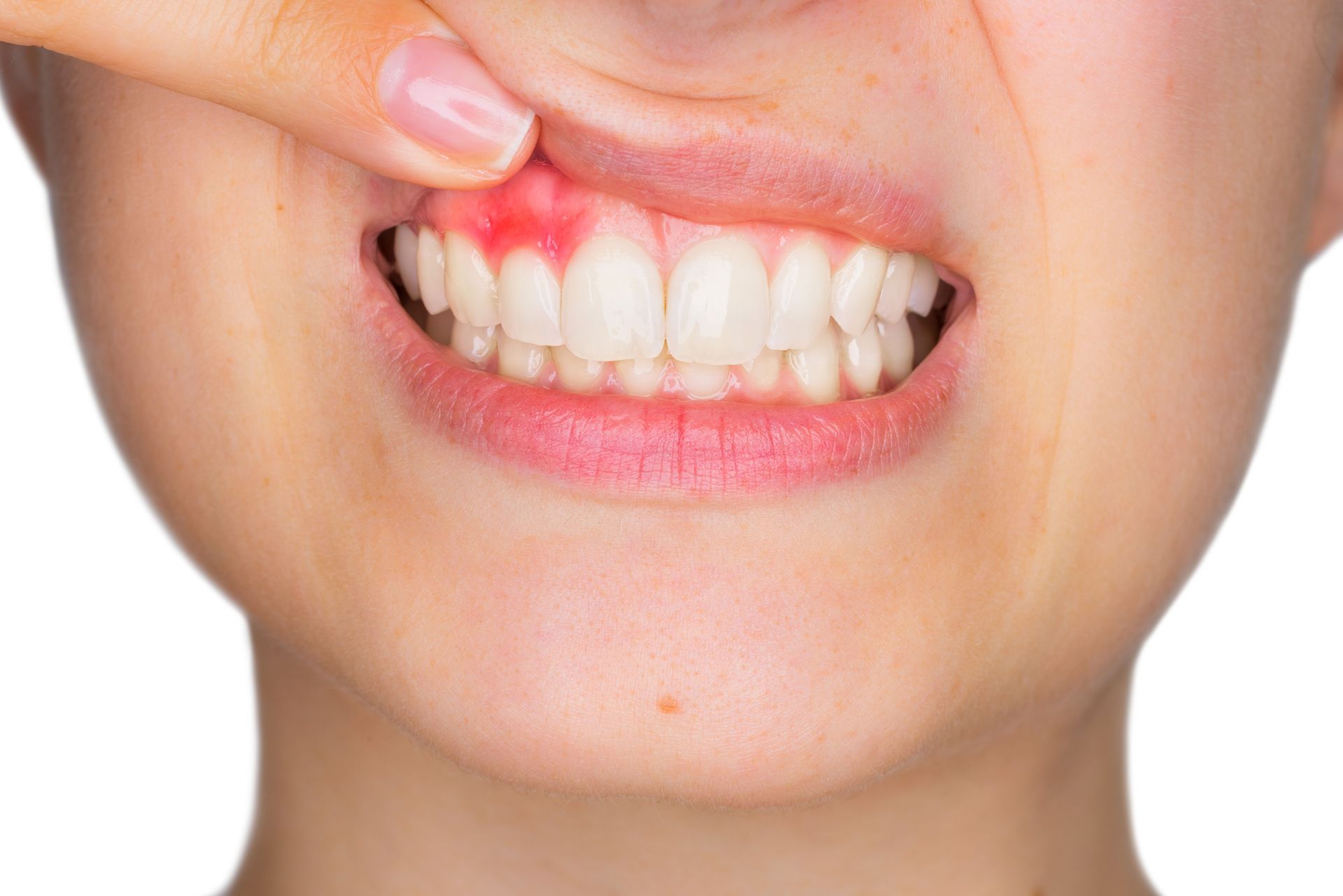
One thing that patients can’t stand, and understandably so, is getting a crown done, and after it’s put on, the gum around the crown turns red, sore, and it bleeds easily when brushing and flossing. After all, a crown should FIX a problem, not create one, right?
Why Do Some Crowns Make the Gums Red and Bleeding?
There are some important rules dentists must follow when doing crowns:
- Make sure the lab (or CEREC Same Day Crown System, as in our case) has a crisp, clear edge so the fit of the crown is accurate;
- Make sure the tooth is dry and not contaminated with blood, saliva, or water when the crown is cemented or bonded;
- Make sure the final crown is the right size for the tooth; i.e. that it is not too bulky;
- Make sure the edge of the crown is not too close to the bone, or it violates the “Biologic Width.”
Reason #4 is the most common reason for crowns to end up causing red, bleeding, and sore gums, but for patients, it is a harder to understand why, and why some minor gum surgery is really an easy and long-term fix to avoid an aggravating problem.
What is Biologic Width, and Should You Care?
Basically, you need a minimum distance between the edge of a crown and the bone. For most patients, for most teeth, it’s about 3mm. Sometimes a bit more, sometimes a bit less.
Now, if you put the edge of a crown closer than 3mm, your body doesn’t like it; it becomes a “foreign body,” and your immune system is triggered, thinking that it needs to get rid of that foreign body. Naturally, it can’t, but that doesn’t mean it stops trying, so you end up with chronic, sore, redness. And that is why, NO MATTER how much you brush and floss, the redness, bleeding, and soreness just will not go away.
So What? It’s Only Sore and Bleeding, Right?
Of course, even if that’s all it were, why go for years with an area that is always sore and bleeding? But no…..that crown can cause more problems, such as:
- If you realize just how deep that edge is, you know it’s impossible to get your toothbrush and floss that deep to clean it;
- With the edge that deep, it was probably hard for the dentist to keep the tooth dry and uncontaminated when putting the crown in, so the cement was probably contaminated on day 1 – that means it will fail sooner;
- The immune system is going crazy to get rid of something it can’t, but the cells it’s using can actually destroy bone and gum attachment over time, so you lose healthy gum and bone;
- An area that is always bleeding and irritated can get infected more easily and lead to a gum abscess or localized gum disease.
Why Would a Crown Be Too Close to Bone, Anyway?
There are several reasons this happen:
- A big cavity that is very deep,
- An old filling that then gets decay under it that is deep,
- A tooth breaks below the gum line,
- Some patients have too much bone too far on the enamel.
How Can It Be Avoided or Fixed?
If you have this problem already, you will need to be prepared to get the crown redone, even if it’s new. That’s the bad news. If your dentist anticipates it happening, though, this can be managed BEFORE the new crown is made, which is much easier.
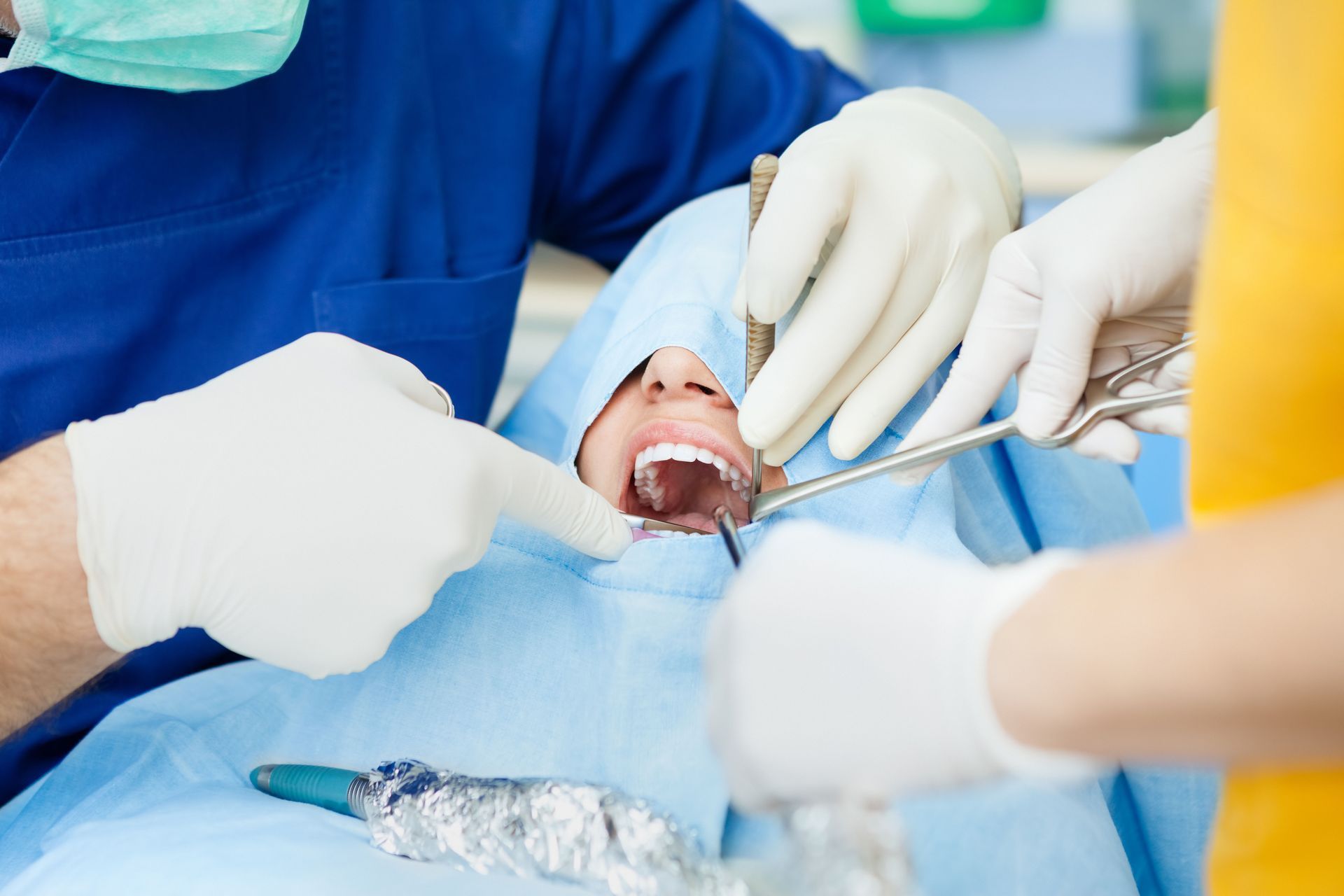
The procedure is not really complicated, and it’s called Crown-Lengthening. It’s a minor surgical procedure that is usually done by a periodontist, or gum specialist, although some family dentists are trained in the procedure, too. In simple terms, it moves the edge of the bone away from where it was to create the space needed. A temporary crown is placed during healing (usually 3 months or so), and then a final crown is made that respects your gum and bone for total health and the longest-lasting result.
To make an appointment for a Complimentary Consultation:
Call us 704-364-7069 or Contact us .
We’ll look forward to meeting you soon!